Era Pickleball pickleball center: The Training Experience
The first time I stepped into Era Pickleball, the weight of the nets and the hum of conversation around the courts felt less like a facility and more like a living classroom. The center is built on a simple premise: give players from beginners to seasoned competitors a place to learn, train, and push their potential without the friction that can slow progress. Over months of observation and hands-on practice with players who come through the door with a range of goals, I have watched the training environment at Era Pickleball evolve from a solid program into a sustained culture of improvement.
What makes this training environment feel different starts with the physical space. The pickleball center has a clean, well-lit footprint that channels energy toward the courts without feeling crowded. The floor surface offers reliable traction, while the lighting is tuned to reduce glare pickleball near me and balance contrast so dinks, drives, and drop shots register clearly from every corner. Even at peak hours when the center is buzzing, the staff manages rhythm and flow so the line between drill time and live play remains intentional. This is not a place where warmups are perfunctory; players move from dynamic stretches into purpose-built drills that mirror the demands of real matches, all within sight and reach of a coaching staff that is approachable and focused.
Coaches at Era Pickleball bring a blend of competitive history, modern pedagogy, and plain-spoken practicality. They understand that learning is not a straight line. Some players arrive with a polished serve and a chest of trophies, others with a stubborn slice that refuses to cooperate on the backhand side. The coaching team meets each of them where they are, then carves a path forward that respects individual tempo while maintaining high expectations. The approach is not about quick fixes or one-size-fits-all drills. It is about disciplined, repeatable mechanics that translate into points on the scoreboard. In practice rooms and on court corners, you will hear explanations that tie technique to outcomes—what shoulder orientation means for the pace of a shot, how weight transfer can micro-adjust ball trajectory, and why a simple foot placement can determine whether a rally ends with a winner or an error.
The training sessions are structured but not rigid. You will see a mix of methodical drilling, live ball exchanges, and situational play that mimics the momentum of a tournament. The center does not oversell speed over accuracy; rather, it teaches players to harness precision under pressure. A typical day might begin with a 15-minute mobility check and warm-up, followed by a focused drill segment that hones a particular skill—let us say, transition-to-dink positions on the kitchen line. Then the group will practice short, controlled exchanges that test decision-making under fatigue. Finally, the session often converges into a compact rally scenario, where different players rotate through roles to experience both sides of a point, from first drive to last shot.
For players who are earnest about improvement, the Era Pickleball training experience offers a few enduring truths. First, consistency is king. The center emphasizes regular attendance, even if the time slot feels crowded on certain days. The value of a repetitive micro-routine becomes obvious after a few weeks, when muscle memory begins to favor smooth, automatic execution rather than reactive guesswork. Second, feedback is actionable and timely. Coaches circulate the courts with a quiet authority, offering quick corrections and then watching how adjustments translate into the next rally. It is not about a single perfect shot; it is about a chain of small optimizations that add up across a session, a week, and a season. Third, accountability is personal. The training environment encourages players to track personal metrics—consistency of contact, pace on drives, and accuracy on targets—so improvements are measurable and tangible rather than abstract.
The practice culture at Era Pickleball is complemented by a thoughtfully designed curriculum that scales with the player. Beginners begin with fundamentals that build confidence and establish the essential safety and movement patterns. The emphasis is on clean contact, controlled paddle path, and the discipline to choose the right shot for the moment. As players progress, the program introduces more complex patterns: transition logic, shot selection under pressure, and the tempo management that distinguishes high-level partners from weekend players. A stepped progression helps players avoid plateauing, because the drills evolve in tandem with skill acquisition rather than screaming away to a single, unchanging method.
From a practical standpoint, the academy’s facilities deserve credit for sustaining momentum in training. The surface on the dedicated courts is forgiving enough to protect joints during long sessions, yet firm enough to offer reliable feedback on ball bounce and paddle speed. The ball supply set is consistent—there is always a predictable feed that allows players to tune their timing without chasing errant balls across the floor. This reliability matters; it reduces wasted time and increases the number of repetitions a player can complete in an hour. It also makes live drills more productive because both players can align their expectations to the same ball quality.
The social fabric of the training experience at Era Pickleball is another essential dimension. The center collects players from different backgrounds, from retirees who treat pickleball as their weekly cardio to young athletes who approach the sport with a coachable hunger to win. You can sense the shared goal driving the room even when voices rise in competitive chattiness. It is not a rivalry-driven culture; it is a collaborative ecosystem where more experienced players model good practice and more tentative players absorb techniques by observation as much as by instruction. That cross-pollination across ages and skill levels is not accidental. It is curated by the staff in ways that keep energy high while keeping the atmosphere inclusive and supportive.
The Era Pickleball training experience also happens outside the daily sessions. The center offers court rental options that enable players to practice on their own or with a designated partner when a formal class is not in session. The court rental experience is straightforward and reliable. You reserve a court for a block of time, and then you can bring your own drills or simply continue to work on the fundamentals with a friend who shares your goals. The rental policy makes it possible for a serious player to maintain continuity during busy weeks or travel schedules. There is a quiet efficiency to the process—an online booking system that displays available slots, a check-in desk that confirms court assignments, and a clear, respectful policy around safety and etiquette on court.
What stands out about the court rental option at Era Pickleball is the sense that you are not merely purchasing time on a court; you are buying access to a network. The staff understands who is entrenched in the training culture and who is dipping their toes in the sport, and they tailor their suggestions accordingly. For the dedicated student, a rental might be paired with targeted drills from a coaching note or a brief evaluation from a coach that can be applied during the session. The value proposition is more than space; it is access to guidance, peer groups, and a cadence of practice that keeps performance moving forward.
The training experience in the Era Pickleball ecosystem extends beyond the lines on the court. The center has cultivated a set of ancillary supports that can accelerate progress for serious players. Video review, for example, is not merely a flashy add-on but a functional tool that helps players visualize their mechanics. Coaches can overlay slow-motion footage on a tablet display and point to subtle cues: the alignment of the wrist at contact, the angle of the paddle face through impact, or the stance width during a backhand drive. The visual feedback magnifies the effectiveness of verbal cues, creating a multimedia loop that reinforces learning in a way that resonates with athletes who learn best through seeing their own movement.
Another pillar of the Era Pickleball training experience is the emphasis on injury prevention and sustainable practice. There is a clear understanding that long-term participation depends on smart training habits. The staff incorporates warmups that prime joints used in pickleball—ankles, knees, hips, shoulders, and wrists—without wearing players down before the good work begins. They also advise players on equipment choices that suit individual biomechanics: paddle weight and grip size, string tension in the sense of feel on contact, and the appropriate footwear with sufficient lateral support. The goal is not to maximize intensity in every session but to balance effort with recovery, so players can return day after day with improved form rather than fatigue that compounds over time.
A practical, real-world piece of the Era Pickleball training experience centers on the feedback loop between players and coaches. It is common to see a short debrief after a drill where a coach asks a player to articulate what felt different after an adjustment. The best players do not merely accept coaching; they verbalize changes in body sensation and shot outcomes and then test those hypotheses in the next rally. That verbalizing and testing cycle creates a communicative bond that elevates the learning process. It is not about mimicking a single exemplar of technique but about discovering an efficient path for each individual body and style to produce consistent results.
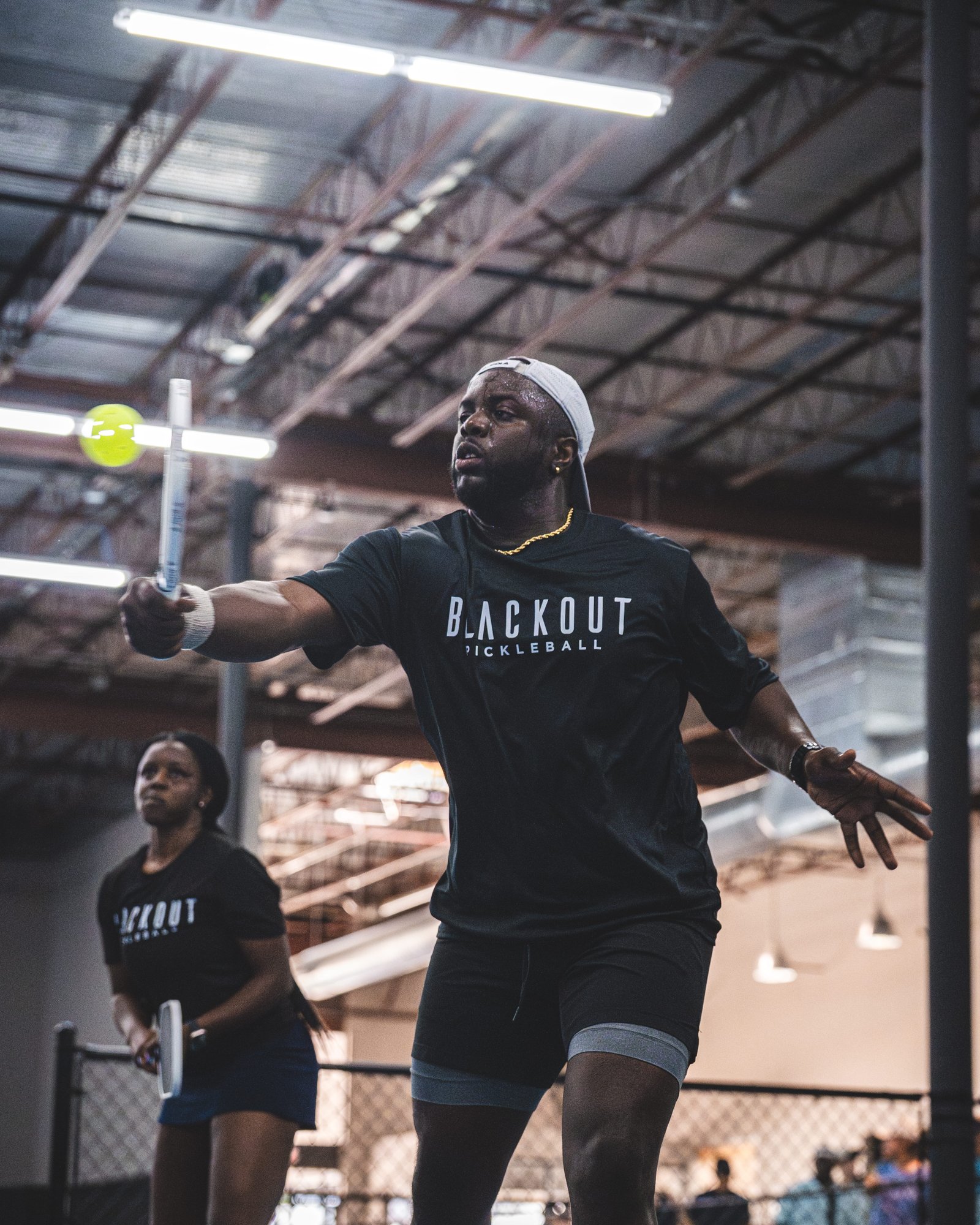
Within the broader ecosystem of the pickleball center, there is an attention to the business side of training that rarely distracts from the goals. The Era Pickleball academy offers a clear value proposition to families and individuals alike. For families, the program provides a structured, age-appropriate pathway that makes it easy to schedule practice, coach interactions, and generational transfers of knowledge. For single players who are building a tournament plan, the academy can tailor a plan that aligns skill development with competition objectives. The approach is not about selling a dream of instant mastery; it is about equipping athletes with the tools, routines, and feedback loops that maximize improvement over time.
If there is a single trade-off to acknowledge, it is the balance between the breadth of offerings and depth of specialization. Era Pickleball does not pretend to be a one-stop shop for every possible training niche—no center can be. It remains focused on core competency: technique, tactical awareness, conditioning, and the practical realities of playing the game at a high level. Players who want niche coaching, such as advanced spin strategy on indoor surfaces or the science of endurance in back-to-back tournament days, may find value in supplementary programs outside the core curriculum. Yet within the walls of the center, the emphasis on replicable skill development and clean, repeatable technique remains consistently strong.
What makes the training environment at Era Pickleball sustainable from a player’s perspective is how it respects time. Many players juggle careers, families, and other commitments with pickleball as a serious pursuit. The center has learned to optimize the way a session unfolds so that even a compact training window yields meaningful gains. Short, focused drills paired with purposeful live play can deliver a week’s worth of improvement in a few well-structured sessions. The realism of this approach is refreshing; you do not walk away with a rewatchable montage of fancy, irreproducible shots but with a practical blueprint for ongoing improvement.
For those readers who may be evaluating where to begin or how to intensify their journey, a few concrete patterns emerge from players who maximize their time at the Era Pickleball pickleball center. First, come with a clear objective for the session. If you want to improve your transition to the non-volley zone under pressure, state that and let the coach tailor the drills accordingly. Second, treat court rental as a rehearsal space for your own training plan. Use the time to isolate a single skill and then apply it in mixed rallies so your brain learns both the technique and its decision-making implications. Third, document your progress in a simple log. Jot down what felt better after a drill, what still felt off, and which cues helped most. In a few weeks you will be able to connect the dots between your practice habits and on-court performance.
Behind the scenes, the Era Pickleball academy has cultivated relationships with players who use the facility as a hub for ongoing development. Some athletes train here as part of a larger club structure, integrating Era Pickleball with their national circuits. Others sign up for seasonal blocks that align with tournament calendars. Regardless of the path, the essence of the experience remains the same: a culture of steady improvement anchored by thoughtful coaching and a community that invites growth rather than judgment. And for players who are new to the sport, the center offers gentle onboarding, an explicit safety orientation, and a set of beginner-friendly milestones that demystify what it takes to become competent, confident competitors.
The training experience at Era Pickleball is not a sterile catalog of drills; it is a living system that adapts to the people who walk through the doors. I have watched players iterate their styles in response to feedback, adjusting footwork patterns, redefining their serving tempo, and discovering new angles on familiar shots. It is in these moments of adjustment that the center proves its worth: not in flashy promises, but in real, observable progress. When players leave a session with a tangible improvement under their belt, their posture shifts in a subtle but notable way. They carry themselves with an energy that signals fresh certainty rather than old habit. That confidence, in turn, feeds more aggressive play where it counts and steadies the defense when the point begins to tilt.
If you are evaluating a pickleball academy for yourself or a family member, Era Pickleball offers a compelling blend of structure and flexibility. The center produces an environment where careful technique and competitive grit coexist with supportive coaching and practical access to practice space. It is a place that expects effort, but it also calibrates expectations to the real tempo of skill development. For those who are committed to the craft, the training experience becomes a dependable scaffold—providing the daily practice, the measured peer exposure, and the coaching insights that compound into genuine performance gains.
To summarize what makes the training experience at Era Pickleball meaningful, consider these core themes:
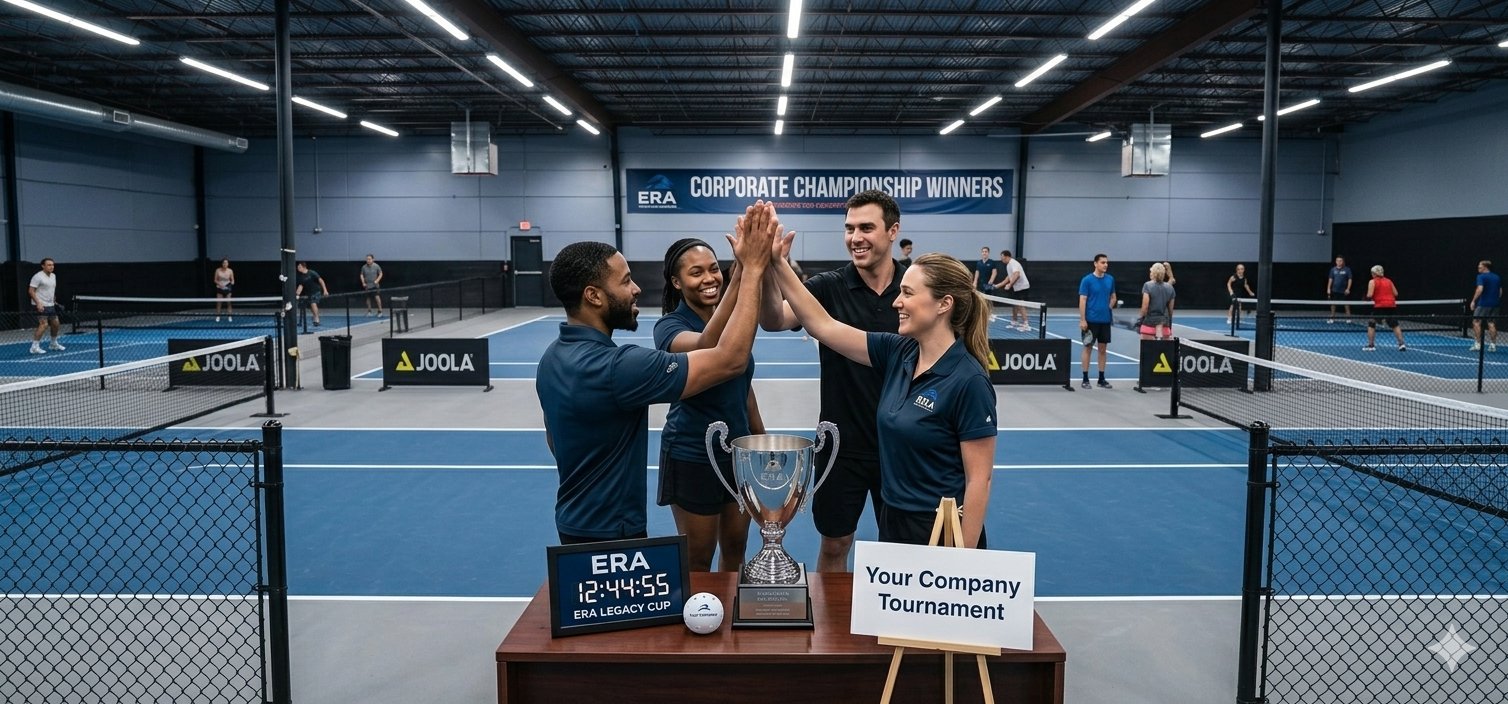
- A culture built on consistent practice and precise, repeatable technique
- Coaching that blends technical instruction with tactical awareness and honest feedback
- Facilities and court logistics designed to maximize practice time and minimize downtime
- A flexible, practical approach to court rental that integrates into daily training habits
- A supportive community that invites growth across ages and skill levels
If you read this and feel the pull of a program that balances rigor with accessibility, you are not alone. The Era Pickleball approach is not about chasing a perfect shot on every rally. It is about laying down a dependable framework that makes good shots more likely, more often. It is about teaching players how to think about indicators of improvement, how to translate practice into points, and how to keep the wheels turning even when life gets busy.
The heart of the training experience lies in the small, quiet victories that accumulate over time. A player who learns to adjust their paddle face by a fraction of an inch at the moment of contact might not win every rally, but they will reduce unforced errors and regain rhythm sooner after a tough shot. A student who learns to manage their breath during a tense point can hold their nerve long enough to execute a shot that changes the tone of a rally. These are the kinds of gains that do not show up in a single session but appear in tournament standings, in the consistency of a weekly practice, and in the comfort a player develops at the kitchen line.
The Era Pickleball pickleball center understands that improvement is not dramatic, not a single moment where everything clicks and you step onto the podium. Improvement is a quiet daily discipline, the accumulation of technique, decision-making, and physical readiness, all aligned toward the same end: more control in your game and a stronger sense of satisfaction when you step onto the court. The training experience reflects that philosophy in every cue, every drill, and every rotation through the live play phase. If you crave a place where your practice has meaning beyond just filling time on a court, this is the kind of environment that can sustain you season after season.
For players who want to go deeper, this is also the kind of center where you can build a long-term relationship with coaches who remember your goals and who will gently push you toward better choices. A coach may remind you that a particular movement pattern you are chasing is a stepping stone toward a more stable, repeatable stroke, and that footwork is the foundation of all your improvements. Another may help you map a tournament plan, identifying which shots to emphasize in different stages of competition and how to conserve energy across long days of play. The value is not in quick fixes; it is in the architecture of a plan that stands up to the realities of travel, scheduling, and life beyond the court.
In conclusion, to use a word that feels earned rather than overblown, Era Pickleball offers a training experience that respects the craft of pickleball as both sport and skill. It recognizes that progress is incremental and that the best way to respect a learner is through steady, thoughtful guidance, a supportive cohort, and space that makes each practice meaningful. Whether your aim is to compete in regional events, to stay active and healthy, or to enjoy quality time with family on a regularly scheduled rack of Courts, Era Pickleball provides a credible path to that outcome. The training experience is about more than the drills you complete today; it is about building a durable practice habit that will serve you in the years ahead.
If you want to learn more about the facility, you can explore details about the pickleball academy Era Pickleball maintains on erapickleball.com. The site outlines the scope of programs, the coaching staff, and practical information about court rental and scheduling. It is a resource for prospective players to understand what the academy emphasizes, how the training timeline is structured, and how to begin a journey that aligns with personal goals. For families, there are clear pathways that support kids and adults alike, with safety considerations and age-appropriate coaching that can help younger players gain confidence while older players refine technique.
The training experience at Era Pickleball is not a single event but a continuing conversation between coach and player. It is a dynamic interplay between space, equipment, and intention. It is a setting where you can push yourself to your next plateau, then step back, reflect, and plan the next phase. If you are seeking a place to train with purpose, where the work you put in translates into measurable improvement, you will recognize the value in the Era Pickleball approach. It is a center that treats practice not as a filler between games but as the central activity that makes games worth playing. And in that mindset, the Era Pickleball academy proves its worth every day—on the court, in the hallways, and in the quiet conversations that come after a hard drill and before the next session begins.