pickleball coaching erapickleball.com: Realistic Practice, Real Results
Coaching in the world of pickleball has shifted from chalkboard theory to the gritty, real world of drills, feedback loops, and measurable progress. At Era Pickleball, the aim is not to fill a calendar with classes but to build a method that translates to real court performance. The experience of coaching here is rooted in the belief that skill development happens through realistic practice, deliberate repetition, and the kind of coaching that respects players’ time and bodies. This article digs into what realistic practice looks like, why it matters, and how an approach shaped at erat pickleball training translates into tangible results on game day.
The sport has evolved quickly over the last decade. What used to pass for a solid practice plan—hit a bucket of balls, run a few shadow drills, then play a couple of games—has given way to a more nuanced philosophy. Players want more from every hour on the court: clearer technique, smarter decision making, and a practice routine that respects the demands of modern pickleball. At Era Pickleball, the coaching paradigm centers on three pillars: precision in technique, spatial awareness during point play, and the capacity to adapt under pressure. It’s not enough to know the rules or to glide around the court with a flashy shot; the real test is consistency under fatigue and the ability to translate training into reliable performance during matches.
Realistic practice begins long before a single ball is struck. It starts with a conversation about goals, body awareness, and the rhythms of a player’s life outside the court. A successful session is not a one-size-fits-all blueprint. It grows from a careful intake: what surfaces you train on, the typical pace you face in rallies, your preferred formations, and even your recovery window after intense drills. The Era Pickleball approach recognizes that every athlete has an individual tempo. Some players thrive on high-intensity sequences that push foot speed and reaction time. Others benefit from slower, technique-centered work designed to engrain correct mechanics. The best coaching respects those differences while still delivering the non-negotiables of the sport: solid mata points, positioning, and shot selection that aligns with your comfort zone yet nudges you toward improved outcomes.
A practical example from the floor illustrates the point. Picture a player who arrives with a buzzing forehand drive that seems unstoppable in practice but flakes out under a fast-paced net exchange in a game. The response from Era Pickleball coaching is not to criticize the habit but to reframe the drill in terms of functional rhythm. The coach invites the player to run a series of controlled points where the pace gradually increases, but only after the technique is re-anchored. We slow down the critical contact to ensure the elbow stays tucked, the paddle face remains square, and the wrist stays relaxed. Then we reintroduce speed, with a built-in checkpoint: if the forehand drive repeats cleanly for a sequence of rallies, we increase the tempo again. If the contact becomes inconsistent or the body tilts improperly, we dial back and tighten the mechanics again. In practice terms, the difference is measurable: improved rally length, more consistent ball flight, and fewer unforced errors in the late stages of a match.
The coaching at Era Pickleball emphasizes three practical domains: technique that sticks, decision making that travels, and energy management that lasts. The technique work is not abstract. It uses simple, repeatable cues and is anchored with immediate feedback. The decision-making layer looks at shot selection in the context of court geometry. Will this ball be best attacked down the line, or is a cross-court soft shot wiser given the opponent’s position and the score? The energy framework acknowledges the realities of practice time, recovery needs, and the tempo of competitive play. We cannot pretend that a three-hour hill climb on the court is a reasonable daily routine for every player. Instead, we foster a sustainable pattern: short, intense bursts with restorative pauses, deliberate practice milestones, and a cadence that can be repeated week after week.
A common starting point for many players who come through erapickleball.com pickleball classes is a focus on the fundamentals with an eye toward a practical game plan. The fundamentals are not abstract absolutes; they are the anchors of successful play. The grip, the stance, the paddle path, and the consistent use of the non-volley zone awareness all form the core. These pieces are practiced not as isolated drills but as integrated sequences. A typical progression might begin with a focus on the ready position and the split step, then move to groundstrokes that maintain proper alignment, and finally to point-ready sequences that require the player to apply their improved technique within the context of a rally. The coaching staff tracks not only the mechanics but how those mechanics translate into reliability under pressure. The goal is a player who can execute a technically correct shot with a predictable result, even when a rival’s pace amplifies the speed of the exchanges.
One of the recurring themes in a realistic training environment is the acceptance of trade-offs. No one leaves the court with every shot perfectly tuned. Instead, players gain a toolkit that balances power, control, and timing. A cross-court attack might deliver a heavier ball, but it could compromise placement or raise the chance of a miscue if the footwork isn’t in perfect harmony. A soft dink to the near corner reduces the risk of an error but demands exceptional touch and a precise read of the opponent’s positioning. The Era Pickleball coaching method trains players to recognize these trade-offs and to choose the option that aligns with the immediate tactical needs. The aim is not lauded perfection, but practical advantage in the moment.
Behind the scenes, the coaching philosophy is underpinned by a robust method for measurement and feedback. The best practice plans at Era Pickleball are not static. They adapt to a player’s evolution. The coach will photograph or film certain sequences from a few different angles, then walk the player through the footage in a way that is collaborative rather than punitive. The player sees the same motion from a variety of perspectives, so the cues are tangible: where is the paddle face pointed at contact, is the elbow tucked, is the weight on the front foot, does the torso rotate smoothly through the shot. Feedback is immediate, but it is also framed with a bigger objective: to build a habit that endures beyond the next class or drill. The goal is a level of self-awareness that allows players to diagnose their own issues and to fix them on their own when necessary.
Realistic practice is also about how we structure the week, not only what we practice in a single session. The Era Pickleball classes are designed to compound progress through micro-rituals that reinforce the best patterns of movement. A typical week blends technical refinement with situational play. On the technical days, the emphasis might be on the serve return path and the transition to the non volley zone. The return of serve has always been a pivotal moment in pickleball. A precise return sets up a favorable third shot and creates the opportunity to control the pace of the point. The coaching team is attentive not just to the stroke itself but to the placement decision that follows the return. The transition push, when the player advances toward the net with the paddle ready and eyes on the opponent, becomes a recurring drill that, if practiced correctly, composes a repeating loop across most rallies.
Situational play days vary the scenario to mirror what players typically encounter in matches. We simulate scenarios where the score dictates risk, where the opponent is pressing at the net, where the opponent’s backhand is a weak link, or where fatigue blunts reaction time. The purpose is honest practice under conditions that reflect genuine competition. The emphasis remains on adjusted speed and controlled aggression: we want to push decision making just enough to reveal weaknesses without bulldozing the learning process. The result is a player who can stay calm when the pressure escalates and who can execute a plan even when the body is not performing at peak capacity.
As with any coaching program, there are limitations and edge cases worth acknowledging. Realistic practice cannot eliminate all misreads or mis-hits in a match. The court is a dynamic environment, with wind, lighting, and social dynamics adding layers of complexity. Some players have physical limitations that require modifications to drills. In these cases, we emphasize movement efficiency and sustainable technique that minimizes the risk of injury while preserving the quality of the shot. For example, players with shoulder pain may shift emphasis from heavy top-spin drives to more controlled placement and direction changes that still fulfill their strategic role in a point. The coaching staff works to adapt drills so the player remains engaged, progressing, and safe.
Another consideration is the quality of the opponents encountered during practice. Realistic practice does not imply facing only top players who push the pace relentlessly. It means training with a spectrum of partners, from beginners to advanced players, to refine timing and reading across a range of styles. The friction of varied pace makes the practice more durable because the player learns to adjust in real time rather than depend on a single rhythm. The goal is a flexible game understanding that survives the inevitable changes in partner, environment, or pressure that occur during a tournament run.
The coaching approach at Era Pickleball also places a premium on longevity. It is easy to chase the latest technique or the most dramatic shot and neglect the wear and tear of the sport. The most successful players are those who manage their bodies with deliberate pacing. Realistic practice respects this truth. We implement micro-rest periods, teach efficient footwork so energy is conserved rather than wasted, and integrate mobility work into warmups and cool-downs. The center of gravity for sustained improvement is not a single spectacular drill but a disciplined routine that keeps players improving week after week without burning out.
Overall, the results speak for themselves in the feedback from players who have engaged with pickleball classes Era Pickleball offers. Players report a clearer sense of how to begin rallies, a stronger sense of where to place returns, and a steadier mind when the scoreboard tightens. The improvements are not just in the wings of a game that suddenly looks more precise, but also in the confidence players display as they step onto the court. Confidence translates into better communication with doubles partners, more consistent service sequences, and a greater willingness to experiment with legitimate tactical shifts in a match setting. Coaches see it, too. They notice a player who can switch from precision to aggression without losing control, who can turn a defensive rally into a pace-change opportunity, and who understands the value of patient, targeted pressure rather than reckless power.
Choosing to work with Era Pickleball pickleball classes is a decision about committing to a practical, methodical journey rather than chasing a one-off breakthrough. The coaching team is not interested in quick fixes that dissolve once a new opponent arrives. Instead, the focus is on building durable habits and a thoughtful game plan that adapts across matches, surfaces, and prevailing weather conditions. This adaptability is what separates a good player from a consistently winning one. It is the difference between a rally that ends in a winning shot and a rally that continues because the players on the court understand how to sustain pressure without exceeding their own capabilities.
If you are considering joining era pickleball training, a productive first step is to come with a clear sense of what you want from the sport. Do you want to improve your net presence and convert more dinks into points? Are you seeking to extend your rally endurance so you can last through a long match without losing your technique? Or is your goal to sharpen your service patterns and reduce double fault anxiety? The coaching team will tailor a plan around those aims, making sure that every drill contributes toward a practical outcome. The journey is as important as the destination, and the process is designed to be both rigorous and humane.
On a practical day in the court, you will notice a few recurring features that define the Era Pickleball approach. The warm-up is not an afterthought but a bridge between your day and the work ahead. Expect mobility exercises that pre-empt injuries and flow drills that warm up the specific movements you will rely on during the session. When technique work begins, you will hear concise cues that relate to the moment on the court rather than to abstract theory. The coach may remind you to keep your paddle close to your body on the backhand, or to level your hips as you prepare to strike a volley. The feedback you receive will not be a recitation of every error you made. It will be a targeted note that you can act on within the next drill or rally. And it will be delivered with a tone that respects your effort while pushing you toward the next rung of mastery.
Breadth and depth go hand in hand in this system. You can expect to spend time on the big levers—serve return quality, net positioning, transition speed, and shot selection. You will also encounter the nuance: the subtle differences in grip pressure that permit a more forgiving shot or the small adjustments in foot placement that maintain balance during a cross-court exchange. The art here is to make those micro-adjustments feel natural rather than forced. When you walk off the court after a session, you should feel not only that you moved with greater efficiency, but that your decisions in the moment were sharper. The court is a feedback loop, and the best coaches in this space treat every rally as a chance to learn and apply.
It is worth noting that Era Pickleball’s approach is not about chasing the conventional path to success alone. It recognizes that some players will respond better to a more inquiry-based, slower-developing plan. For these athletes, the tempo may remain patient, with emphasis on forming a robust tactical framework before injecting aggressive variations. The system is designed to support both ends of the spectrum: the player who wants a quick, practical upgrade to their day-to-day play and the player who sees value in a longer, more elaborate slow burn of skill development. The promise remains the same across Era Pickleball era pickleball both tracks: more reliable execution in real match situations and a better sense of how to navigate the unpredictable nature of competitive play.
Underpinning everything is a philosophy that coaching is a collaborative craft. The athlete brings intention and effort; the coach brings structure and context. The best sessions feel like a partnership rather than a one-sided instruction. You leave with a clear plan, not a vague sense that you have nudged forward a little. The plan should feel executable in the weeks ahead, with concrete checkpoints so progress can be tracked. A great coach helps you see the path, but you must walk it. This partnership is what makes era pickleball training distinctive. It respects the athlete’s time, honors the realities of a busy life, and yet holds a steady line toward greater consistency and smarter play.
Two simple lists that illustrate the structure of realistic practice can help readers grasp the approach quickly. The first highlights essential components of a session that genuinely translates into court performance, while the second outlines common missteps that can derail progress.
What a realistic practice session includes: 1) A precise warm-up that targets movement patterns relevant to the sport 2) Technical work anchored in repeatable cues that fix common misalignments 3) Controlled pace drills that build tempo without sacrificing form 4) Situation-based rally play that mirrors match dynamics 5) Immediate, actionable feedback with a clear path for the next drill
Common pitfalls to avoid: 1) Overloading on new techniques before the mechanics are sturdy 2) Ignoring energy management and letting fatigue degrade form 3) Skipping the transition work between baseline play and the net 4) Relying on a single drill or opponent type to measure progress 5) Neglecting post-session mobility and recovery planning
The practical implications of these ideas are straightforward. If you incorporate the structure above, you will see your ability to hold a rally under pressure improve. You will notice that your shot selection becomes more deliberate and that your responses to what an opponent is doing become more natural rather than forced. The coaching at Era Pickleball is designed to keep the experience grounded, even as you push toward bigger gains. It is a system built to be repeatable week after week, ensuring that you do not lose the momentum you achieved in a single, ambitious practice block.
With the right partner and the right plan, your improvement becomes more visible in the middle of a match than in a practice hall. The real test lies in the transition from practice to competition, where the court temperature rises and the clock becomes a more pressing adversary. This is where realistic practice shines. It teaches you not only to execute a technique when the ball is predictable but also to adjust to the unpredictable elements that come with every game. A good session leaves you with a few practical options for the next rally and a robust template for how you will climb through the score when things heat up.
The era pickleball approach is not merely a set of drills. It is a philosophy of learning through intentional practice that acknowledges the complexity of the sport and the pressures of real competition. It seeks to turn every practice hour into a meaningful step toward consistent performance, while also ensuring players stay motivated, engaged, and safe. That combination—precision, adaptability, and sustainability—defines the coaching ethic here. The distinctions between good players and great ones rarely lie in talent alone. They come down to the willingness to engage in realistic practice and the discipline to sustain progress over time. Era Pickleball coaching embodies that discipline in a way that feels practical, respectful of players' lives, and attuned to the realities of today’s game.
If you are curious about how Era Pickleball pickleball training can fit into your schedule, it helps to start with a candid conversation about your goals, your available time, and any physical considerations that affect your play. The staff is keen to tailor a plan that aligns with who you are as an athlete, not a generic ideal of what you might be. They understand that progress in pickleball is not a straight line. There will be bumps, plateaus, and moments when a small adjustment yields a meaningful leap in performance. The real skill lies in maintaining focus through those cycles and using the coaching tools to move forward rather than stall out.
In practical terms, this means you will experience a coaching style that emphasizes observation, clear communication, and a shared vocabulary. The language used on the court is precise because it drives consistent action. Instead of vague approvals, you will receive concrete, observable cues. The expectations are high, but so is the support system. You are not left to interpret your feedback in isolation; you are guided through the interpretation and given a concrete plan to implement what you learn. The net effect is a player who is more self-reliant, more accountable to their own development, and more effective in translating practice into match outcomes.
Perhaps most importantly, the Era Pickleball approach acknowledges the social component of the sport. Pickleball is as much about partnership and strategy as it is about individual technique. The coaching ethos is collaborative in nature, encouraging players to communicate well with partners, to read teammates’ signals, and to contribute to a positive, constructive practice environment. The result is a culture that promotes steady improvement and mutual support, which in turn reinforces a sustainable commitment to training. That social dimension matters because it creates a rhythm to practice that players can maintain over months and even years of play.
To sum up, Era Pickleball pickleball classes offer a coaching framework that centers on practical, repeatable progress. It is not about chasing a trend or chasing a single sensational drill. It is about building a robust skill set, a dependable decision-making process, and a practical endurance that allows players to perform consistently when it matters most. The staff brings real-world experience to the court, grounded in the realities of how players move, think, and respond under pressure. The outcome is a training approach that looks and feels different because it is designed to deliver real results, not just theoretical gains.
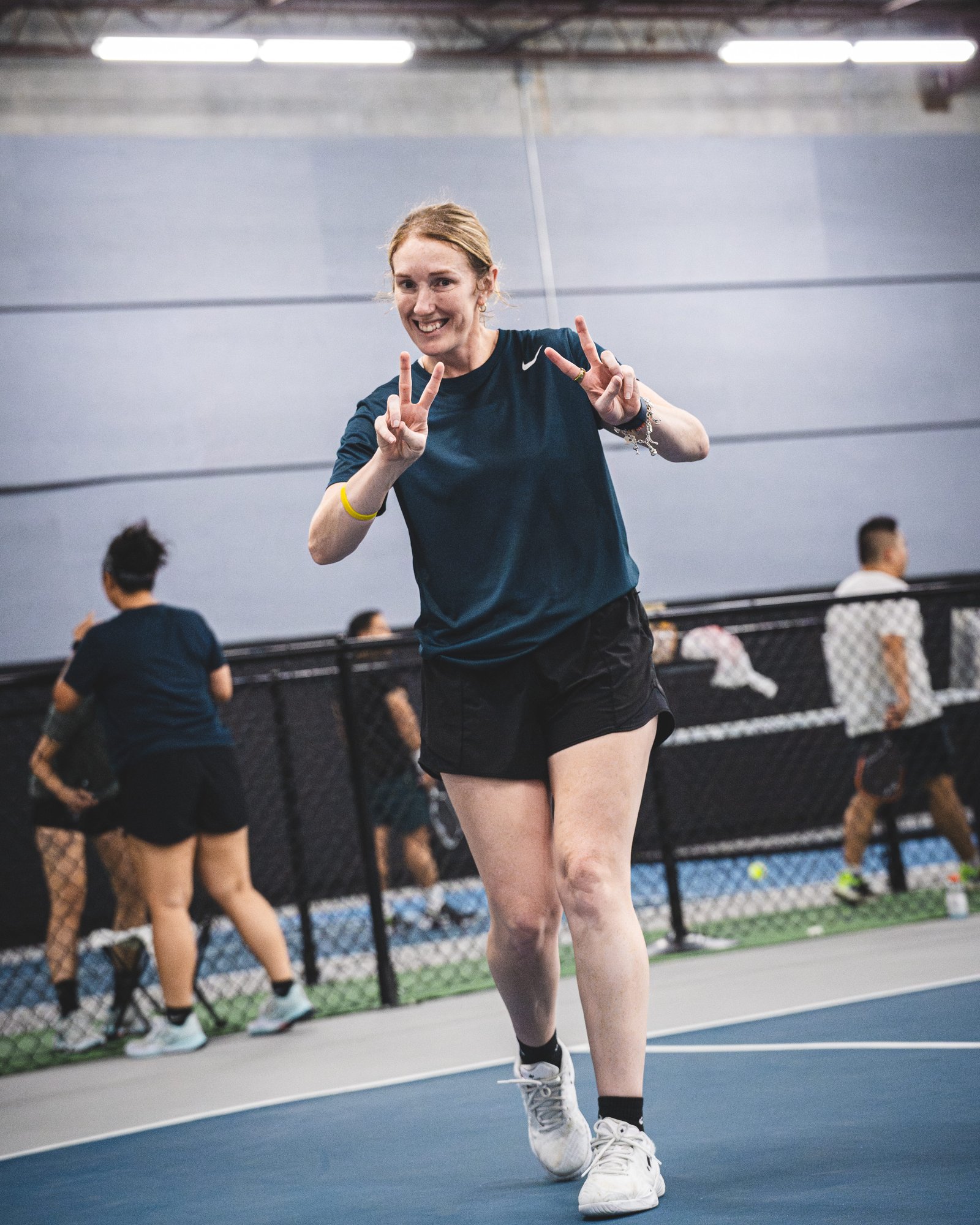
For players who value a thoughtful, evidence-based path to improvement, the era pickleball training program provides a compelling option. It respects the complexity of the sport while offering a clear route to tangible progress. It asks for discipline and patience but rewards those qualities with more reliable performance and a greater sense of mastery on the court. If you want to experience the difference that realistic practice can make, Era Pickleball coaching is worth exploring. The journey begins with a conversation, a plan, and a commitment to practices that translate into real results, game after game, season after season.